Picasso Robotic DHI
The Robotic DHI experience, by Dr Terziler. Premium hair transplant with robotic assistance.
Operational Process
-
Step 01
Consultation
Hair density, donor area capacity and facial proportions are assessed using artificial intelligence-supported analysis systems to create a personalised Hybrid Hair Transplant plan.
-
Step 02
Design
The areas from which grafts are to be harvested, the implantation angles, the frontal hairline and the distribution of density are all planned using Picasso Robotic technology, with the aim of achieving maximum precision.
-
Step 03
Picasso Robotic DHI
Healthy grafts are carefully harvested and transplanted using the DHI (Direct Hair Implantation) technique, ensuring that the natural direction of hair growth is preserved. Thanks to the Hybrid Hair Transplant approach, which combines aesthetic planning with advanced technologies, the aim is to achieve natural and dense results.
-
Step 04
Follow-up & Support
The recovery process is closely monitored through the initial wash, aftercare advice and regular check-ups. The growth of new hair is assessed at regular intervals to monitor long-term results.
Picasso Robotic DHI Hair Transplant
How is the Picasso Robotic DHI Procedure Carried Out?
The Picasso Robotic DHI process begins with an individual assessment of each patient’s hair structure and needs. The capacity of the donor area, hair density, characteristics of the hair strands, hair loss pattern and facial proportions are all examined together. Based on these assessments, a personalised Hybrid Hair Transplant plan is drawn up. Whilst robotic-assisted systems help to enhance precision during the planning and execution stages of the procedure, the design of the hairline – one of the most critical aesthetic aspects of hair transplantation – is shaped by the surgeon’s experience and artistic vision.Fine-Tuning Naturalness with the DHI Technique
DHI is an implantation approach based on the direct placement of hair follicles into the recipient area using a specialised implanter pen. The angle, direction and depth at which the grafts are placed are planned to support the natural hair growth pattern. Millimetre-precise planning is of particular importance, especially in the hairline and in areas where existing hair is being thickened. This is because a natural appearance depends not only on how many grafts are transplanted, but also on where they are placed, at what angle, and how they are distributed. In the Picasso Robotic DHI approach, technology serves as a key element supporting this precise process. However, it must not be forgotten that technology alone is not sufficient. Correct patient selection, assessment of the donor area and planning by an experienced surgeon play a decisive role in the aesthetic success of hair transplantation.The Hairline: More Than Just a Design
One of the most important stages in determining the natural appearance of a hair transplant is the design of the hairline. A hairline that is too straight, too symmetrical or out of keeping with the patient’s age may appear unnatural, even when the most advanced techniques are used. In Dr Terziler’s approach, the hairline is assessed by taking into account the anatomy of the face, the structure of the forehead, the ageing process and the individual’s overall appearance. The aim is to create a balanced design that accounts not only for today’s appearance but also for changes over the years. A smooth transition in the frontal area, grafts following the natural direction of the hair, and the correct regional distribution of density all enhance the aesthetic integrity of the hair transplant. The natural appearance of the hair is no accident; it is the result of proper planning.Technology and the Surgeon’s Touch in Perfect Harmony
One of the most significant contributions of robotic systems to hair transplantation is the support they provide for precision during the planning and implementation processes. However, hair transplantation should not be regarded solely as a technical procedure. The thickness, direction, angle of growth and distribution of each hair in the donor area are unique. For this reason, the integration of technology and the surgeon’s expertise is fundamental to the Picasso Robotic DHI process. The Hybrid Hair Transplant approach, in line with this philosophy, combines advanced technological support with personalised aesthetic planning.| Area of Assessment | Why is it important? |
| Donor Area | Helps to accurately determine graft capacity. |
| Hairline | Creates a natural and balanced transition with the face. |
| Implantation Angle | Ensures that the natural direction of hair growth is maintained. |
| Density Plan | Helps ensure grafts are distributed evenly according to need. |
| Graft Selection | Enables the use of follicles suitable for the area. |
| Long-Term Planning | The future condition of existing hair is also taken into account. |
A Comfortable Hair Transplant Experience
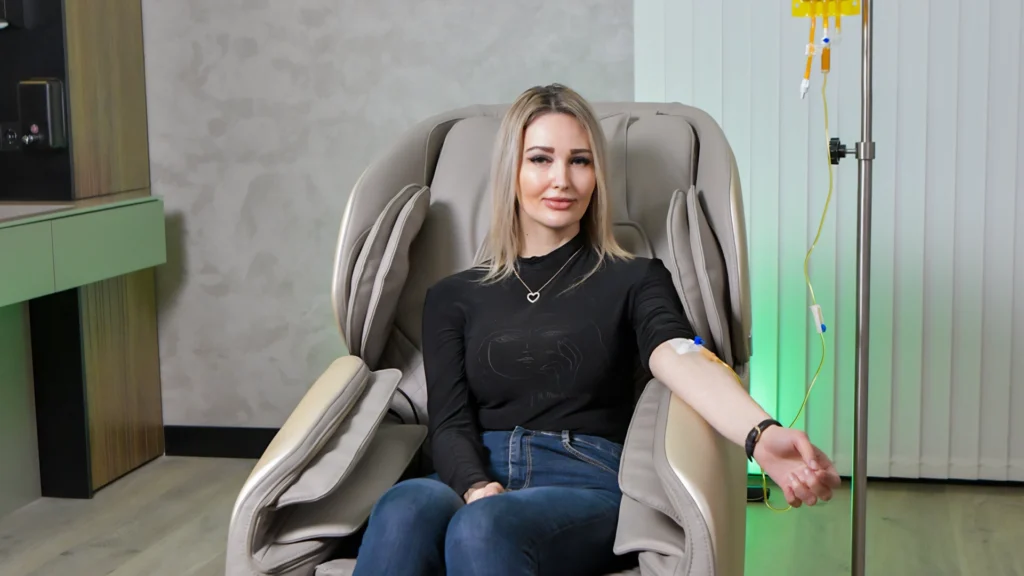
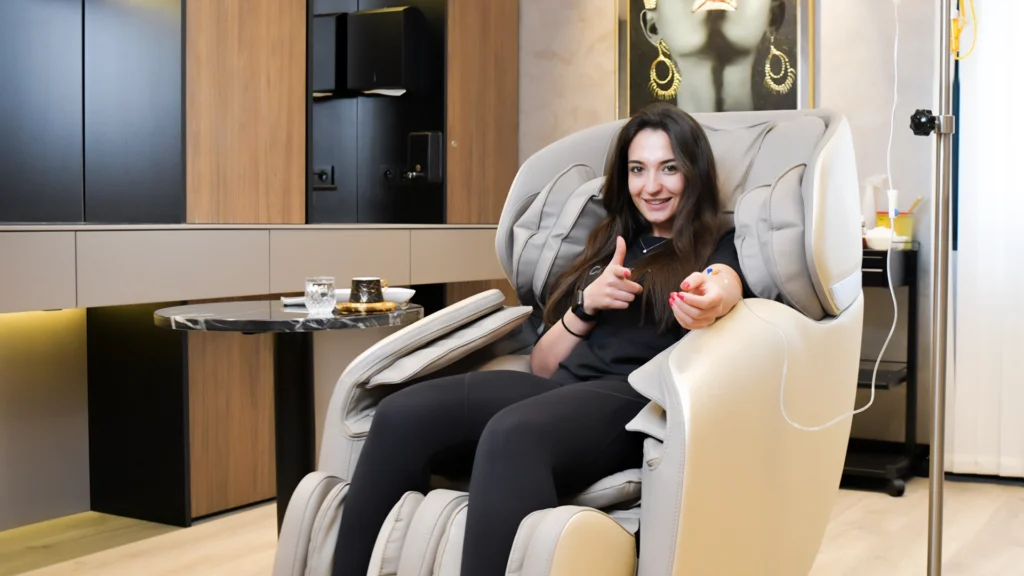
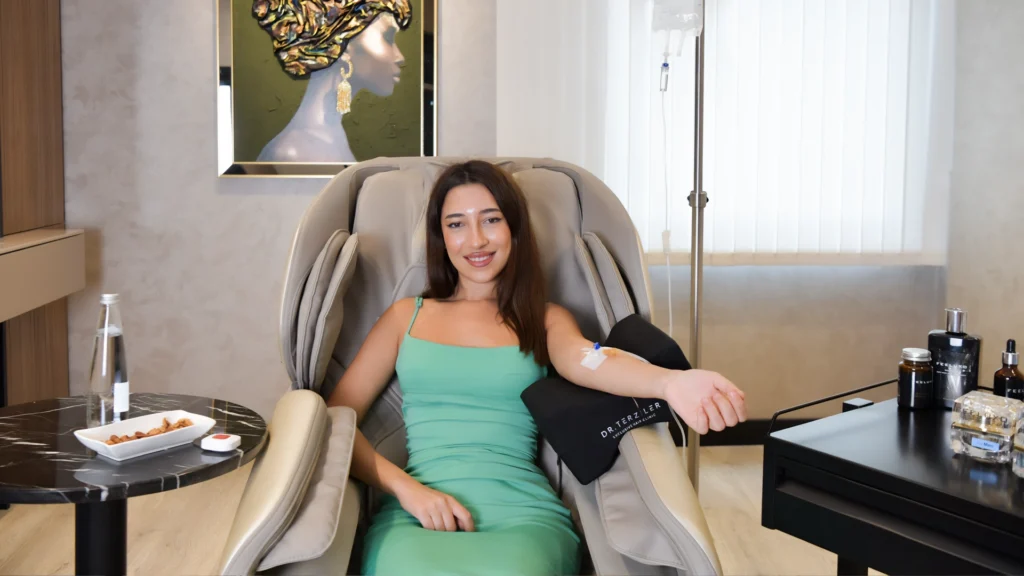
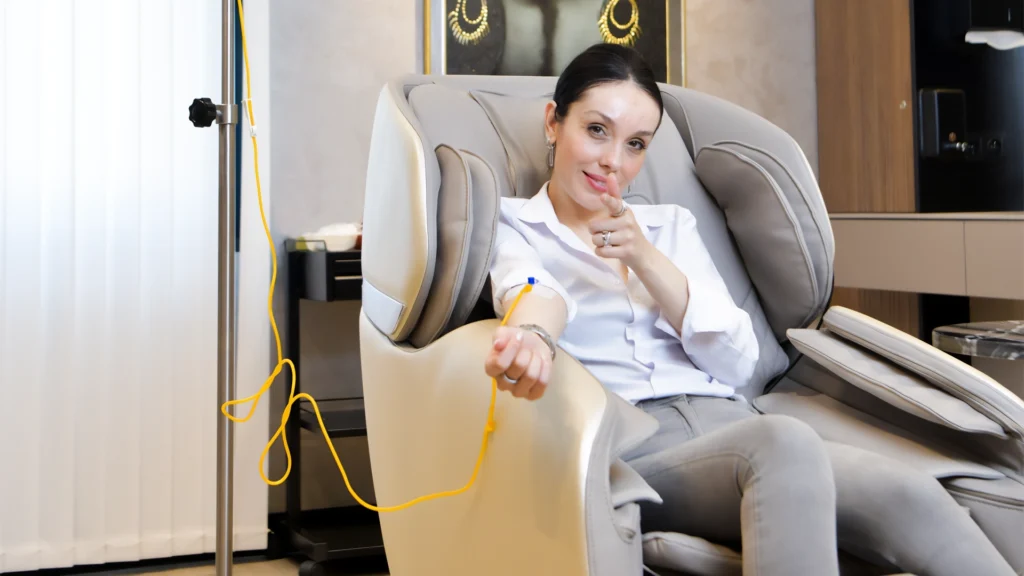
When planning a hair transplant, not only the aesthetic outcome but also comfort during the procedure and medical safety must be taken into account. In Picasso Robotic DHI procedures, the patient’s general health and needs are assessed to plan the appropriate anaesthesia and comfort protocol. For suitable candidates, sedation options can contribute to a more comfortable experience, particularly for those with a fear of needles or who experience stress during the procedure. Ensuring the necessary medical monitoring throughout the procedure is a key component not only of comfort but also of a safe surgical process. The approach here is clear: comfort cannot be considered independently of safety; nor can aesthetic results be separated from proper planning.A Hair Transplant Is Not Just About the Operation
In hair transplantation, the months following the procedure are just as important as the first few days. The growth process of the transplanted grafts takes time, and the emergence of the final appearance may vary from person to person. In Dr Terziler’s approach, the post-operative period is an integral part of the process. The aim is to provide guidance starting with initial washing and care recommendations, to regularly assess hair development, to plan supportive treatments where necessary, and to offer advice on protecting existing hair. With the long-term follow-up approach used in the Picasso Robotic DHI process, check-ups are carried out at specific intervals starting from the very first days. Following the initial 10-day close monitoring period, hair growth is assessed at check-ups at 1, 4, 7, 12 and 18 months. This is because, whilst a hair transplant may be a procedure lasting just a few hours, the journey of building a relationship with your new hair is a much longer one.Who is the Picasso Robotic DHI Suitable For?
Picasso Robotic DHI may be considered for individuals experiencing hair loss who have sufficient donor hair for a hair transplant. However, not all cases of hair loss are the same. The cause of the hair loss, current hair density, the condition of the donor area and the individual’s expectations must be assessed by a specialist. A personalised plan can be drawn up, particularly for those wishing to redesign their natural hairline, increase density in specific areas or minimise the visual impact of hair loss.A New Approach to Hair Transplantation
Picasso Robotic DHI combines the precision of robotic-assisted technology, the controlled implantation approach of the DHI method, and Dr Terziler’s aesthetic perspective within a single process. The aim here is not merely to transplant hair. It is to design a hairline that harmonises with the face, create a natural transition with existing hair, and proceed according to a personalised plan. Because a successful hair transplant is about much more than simply regrowing hair. When the right design, the right technology and the right planning come together, the transformation reflected in the mirror is felt not only in the hair but also in the way the individual expresses themselves. To receive a personalised assessment of the Picasso Robotic DHI and to find out about the transplant plan best suited to your hair structure, please contact Dr Terziler’s team of specialists. The process, tailored specifically to you, is shaped by a holistic assessment ranging from the current condition of your hair to your future needs.Questions You May Have
This varies depending on the procedure and the individual; our team of specialists will provide you with a clear estimate of the duration during your consultation.
We plan the entire process for you from start to finish, including VIP transfers and accommodation.
We offer a range of payment and instalment options; our adviser will be happy to provide you with further details.
Picasso Robotic DHI Hybrid Hair Transplant is an advanced hair transplant procedure that combines robotic planning technology with the DHI hair transplant method, aiming to achieve natural density and an aesthetic appearance.
As the procedure is carried out under local anaesthetic, you will generally not feel any pain during the procedure. Any slight tenderness that may occur afterwards will subside within a short time.
Following the initial phase of hair loss, new hair usually begins to grow from the third month onwards. The majority of the results are assessed within 12 months.
It is one of the modern hair transplant techniques available to male and female candidates who have a sufficient donor area, are experiencing hair loss, and have been deemed suitable by a specialist doctor.
Transplanted healthy hair follicles tend to be permanent. Long-term results may vary depending on the individual’s genetic makeup, lifestyle and hair care habits.
Your journey begins today.
Contact us for a free, personalised consultation. Our team of experts will be by your side every step of the way.